
Palm Beach Property Managers: June Storm Season Prep & How to Keep Turnovers Moving
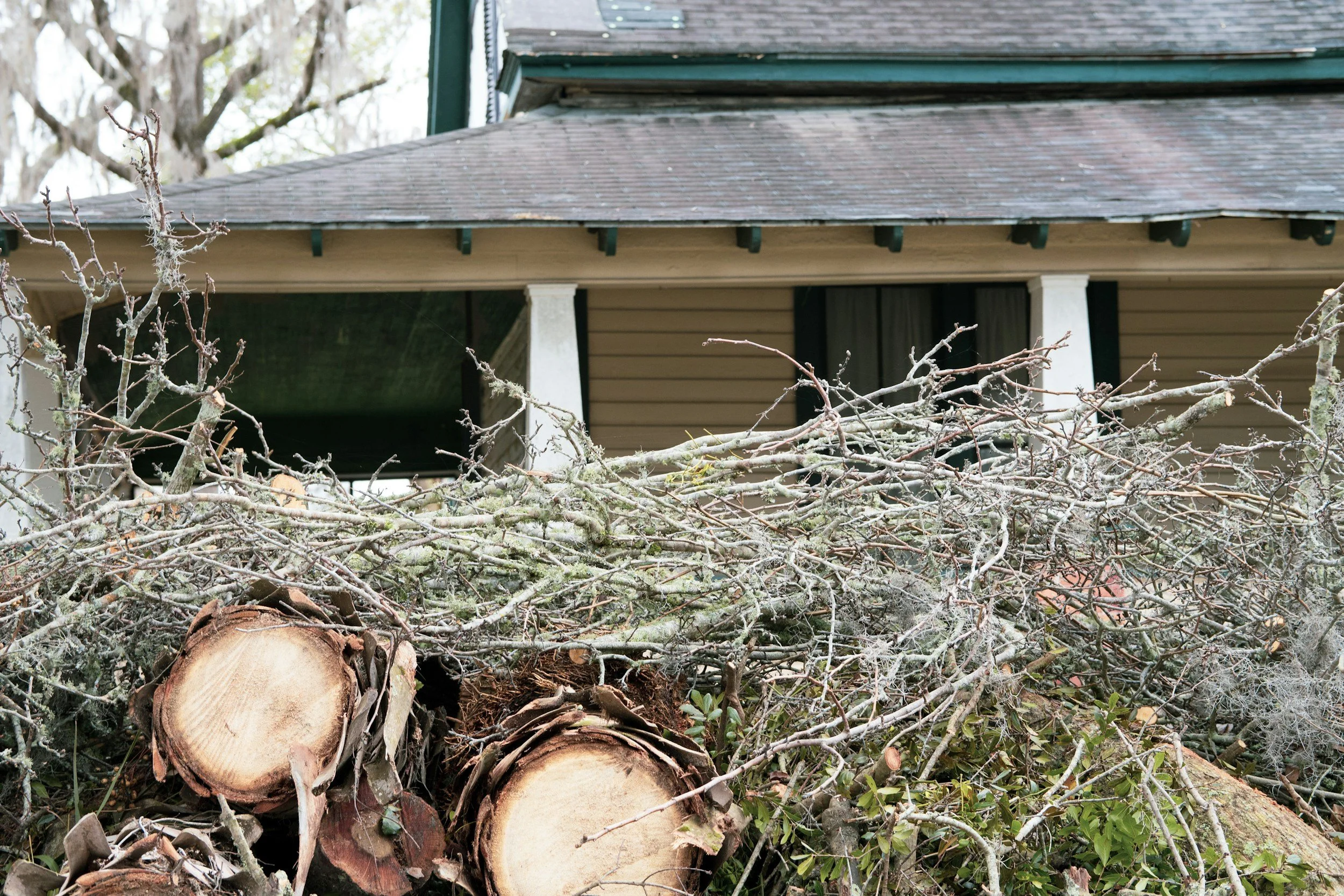
June in Palm Beach County changes the way property managers operate.
It’s no longer just about leasing cycles and maintenance requests.
It’s heat, afternoon storms, hurricane season pressure, and tighter turnaround expectations—all happening at once.
And when weather becomes unpredictable, property management becomes less about planning in ideal conditions and more about staying flexible without losing control of timelines.
Why June Changes Everything for Property Managers
June marks the official start of storm season in Florida, and that shift affects daily operations more than most people expect.
You start seeing:
Afternoon storms disrupting site work
Outdoor projects getting delayed mid-stream
Turnovers needing faster, cleaner execution
Vendors juggling weather-related reschedules
And in property management, delays don’t stay isolated—they stack quickly across multiple units.
The Real Pressure Point: Turnovers During Storm Season
Turnovers are already time-sensitive. In June, they become weather-sensitive too.
A single delay can impact:
Cleaning schedules
Maintenance completion
Leasing availability
Move-in timelines
And once a unit falls behind, everything downstream gets harder to realign.
💡 This is why debris and leftover materials often become the hidden bottleneck during turnovers—they physically slow down every next step. 👉 https://trashhelp.com/blog/the-hidden-costs-of-debris
What Usually Breaks Down First in June
It’s rarely the big tasks that cause issues.
It’s coordination gaps that show up under pressure:
One vendor finishes late, pushing the next back
Cleanup isn’t completed on time
Debris is left behind after maintenance or renovation
Weather interrupts outdoor work windows
Each delay compounds the next one, especially when multiple units are in rotation.
Storm Season Factor: Why Timing Matters More Than Ever
Once storms become a regular part of the forecast, everything changes:
Outdoor work becomes unpredictable
Scheduling buffers shrink
Emergency maintenance increases
Vendor availability tightens
Even a short weather delay can shift an entire week’s turnover plan.
💡 In this environment, having fast and consistent cleanup processes becomes critical—not optional.
The Overlooked Bottleneck: Cleanup & Debris Flow
One of the biggest slowdowns during turnovers is not labor or materials—it’s what gets left behind.
Common examples:
Old appliances and furniture
Renovation debris (drywall, tile, flooring)
Landscaping waste after exterior work
General unit cleanout materials
If that’s not removed quickly, it affects:
Cleaning crews
Maintenance teams
Final inspections
Leasing readiness
💡 Keeping debris removal aligned with each stage of the turnover prevents unnecessary downtime. 👉 https://trashhelp.com/dumpster-rental/
HOA & Community Restrictions in Palm Beach
Many properties in Palm Beach County come with added layers of complexity:
HOA approval requirements for placement
Time restrictions for exterior work
Rules on visible debris or containers
Limited staging areas
These restrictions can delay even simple turnovers if not accounted for early.
💡 Planning cleanup and disposal in advance helps avoid last-minute compliance issues. 👉 https://trashhelp.com/blog/neighborhood-and-hoa-community-cleanup
Vendor Reliability Becomes a Bigger Deal in June
During slower months, small delays are manageable.
During storm season, they multiply.
The difference between a smooth turnover and a delayed one often comes down to vendors who:
Show up on time despite weather changes
Communicate proactively when delays happen
Complete work without needing constant follow-up
Adapt quickly when schedules shift
Because when you’re managing multiple properties, you don’t have time to chase updates.
How to Keep Turnovers Moving During Storm Season
A few operational habits make a major difference in June:
1. Build Buffer Time Into Every Turnover
Assume weather will interrupt at least part of the process.
2. Sequence Vendors Strategically
Don’t overlap tasks that depend on outdoor completion.
3. Clear Debris Immediately After Each Phase
Don’t wait until the end of the project cycle.
4. Prioritize Units Close to Rent-Ready Status
Finish what’s nearly complete before starting new work.
5. Keep Communication Tight and Simple
Less back-and-forth = fewer delays.
💡 The smoother your workflow between vendors and cleanup, the faster units return to market-ready condition.
Why June Efficiency Matters for the Entire Summer
Delays in June don’t stay in June.
They carry into:
July leasing cycles
Peak summer occupancy
Owner satisfaction reporting
Revenue timelines
A single slowed turnover can impact multiple downstream decisions.
That’s why June is less about volume—and more about control.
Storm season doesn’t just bring weather—it brings unpredictability.
For property managers, the goal isn’t to eliminate delays completely.
It’s to reduce friction in every part of the turnover process so weather and scheduling changes don’t derail operations.
Because in this market:
Success isn’t just about speed. It’s about consistency under pressure.
If you’re managing properties this June:
👉 Expect weather delays
👉 Tighten turnover sequencing
👉 Keep cleanup aligned with every phase
👉 Prioritize vendors who communicate and show up consistently
That alone will keep your operations ahead of most of the market during storm season.
