
How to Load a Dumpster Efficiently (Save Space & Avoid Extra Costs)
Why How You Load a Dumpster Actually Matters
Most people think once the dumpster arrives, the hard part is over.
In reality, how you load it can make the difference between:
Finishing your project smoothly
Or needing an extra dumpster (and paying more than expected)
We’ve seen dumpsters that look “full” halfway through a job…
only because they were loaded inefficiently.
The good news? It’s easy to fix once you know what to do.
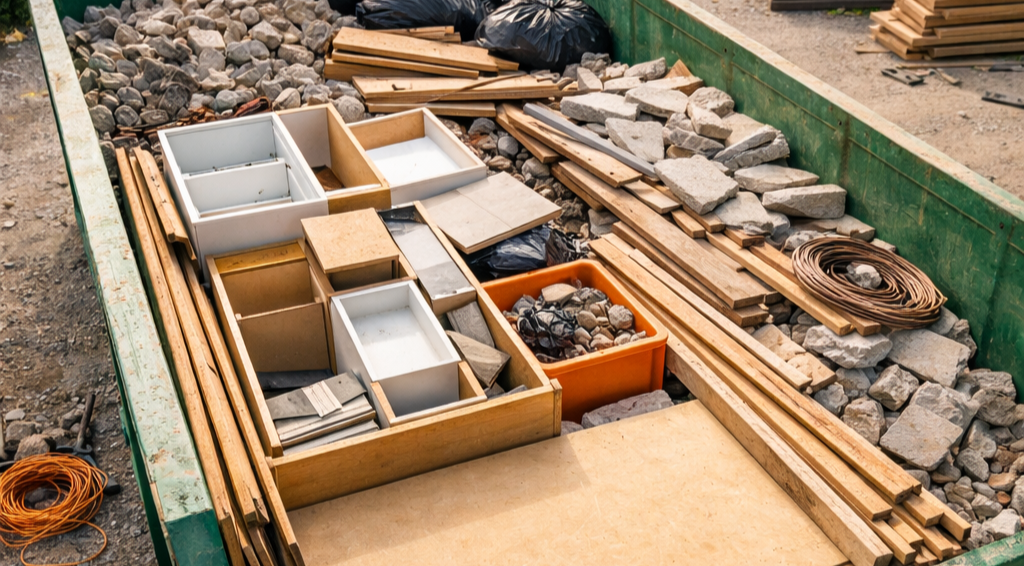
1. Start with a Flat Base (This Is the Most Important Step)
Before tossing things in randomly, think of your dumpster like a foundation.
Start by placing:
Drywall
Wood panels
Flooring
Flat debris
👉 Lay these items down evenly across the bottom.
Why it matters:
A flat base prevents uneven piles and wasted air pockets that take up valuable space.
2. Break Down Materials First
It’s tempting to throw items in quickly—especially during a demo.
But large, bulky items like:
Cabinets
Shelving
Furniture
Boxes
…take up way more space than they need to.
👉 Breaking them down first can double the usable space inside your dumpster.
3. Fill Gaps as You Go
After your base layer is set, avoid just tossing items in.
Instead:
Use smaller debris to fill empty spaces
Pack materials tightly together
Be intentional with placement
Think of it like a puzzle—every gap you leave is wasted space you’re paying for.
4. Spread Out Heavy Materials
Not all debris is the same.
Heavy materials like:
Concrete
Dirt
Roofing shingles
…can reach weight limits much faster than expected.
👉 Spread heavy materials evenly throughout the dumpster.
Why this matters:
Prevents overloading one side
Helps avoid overage fees
Makes pickup safer and smoother
5. Don’t Load Everything Near the Door
One of the most common mistakes:
Everything gets thrown in right at the front.
What happens next:
The front fills up quickly
The back stays half empty
It looks full… but isn’t
👉 Take a few extra steps and distribute debris evenly from front to back.
6. Plan for Bulky Items Early
Items like:
Couches
Mattresses
Large wood pieces
Fencing
…don’t stack neatly.
👉 Place bulky items early and build around them.
This prevents awkward gaps and makes everything else easier to load.
Common Mistakes That Cost You Money
Here’s what we see all the time:
❌ Throwing items in without a plan
❌ Not breaking down materials
❌ Leaving empty gaps
❌ Overloading one side
❌ Underestimating bulky debris
Most of the time, people don’t need a bigger dumpster…
They just needed to load it better.
Pro Tip from Real Job Sites
If you’re deciding between two sizes, ask yourself:
Will this debris stack cleanly or awkwardly?
Am I dealing with bulky or heavy materials?
Will I have time to load it properly—or will it be rushed?
When in doubt, a slightly better loading strategy can save you from ordering a second dumpster.
Need Help Choosing the Right Dumpster?
If you’re working on a project in Palm Beach and not sure what size—or how to load it efficiently—just reach out.
We’re happy to help you plan it out so your project runs smoothly from start to finish.
👉 Dumpster Rental in Palm Beach
👉 Junk Removal Services
👉 Visit Trash Help
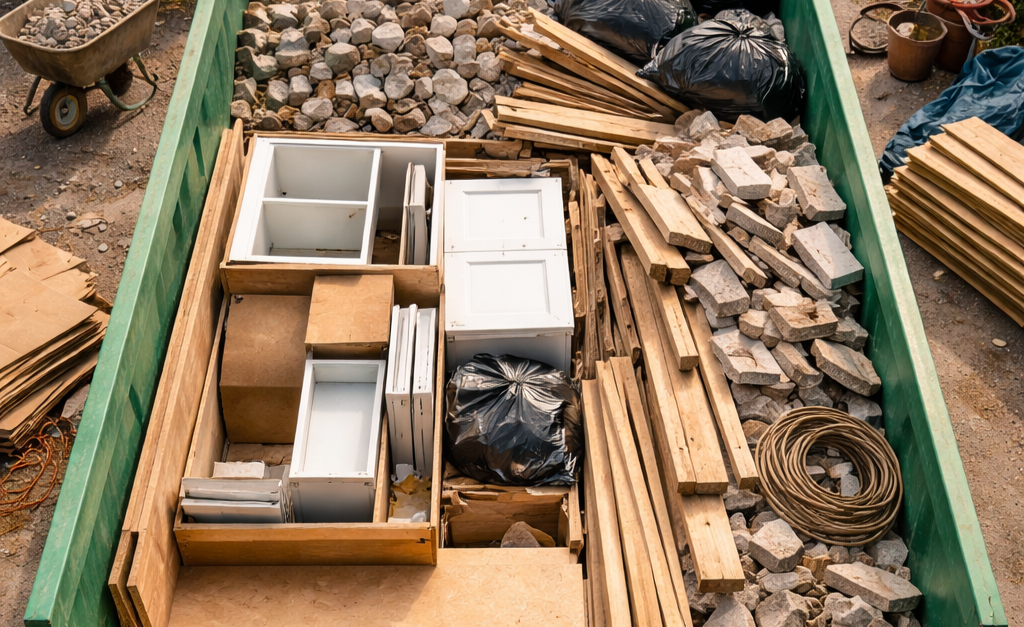
Loading a dumpster isn’t just about getting rid of debris—it’s about doing it efficiently.
A few small adjustments can:
Save you money
Prevent delays
Make your entire project easier
And once you know how to do it right, it becomes second nature.
