
Roofing Companies in Florida: Why Job Site Efficiency (Not Just Skill) Determines Your Profit
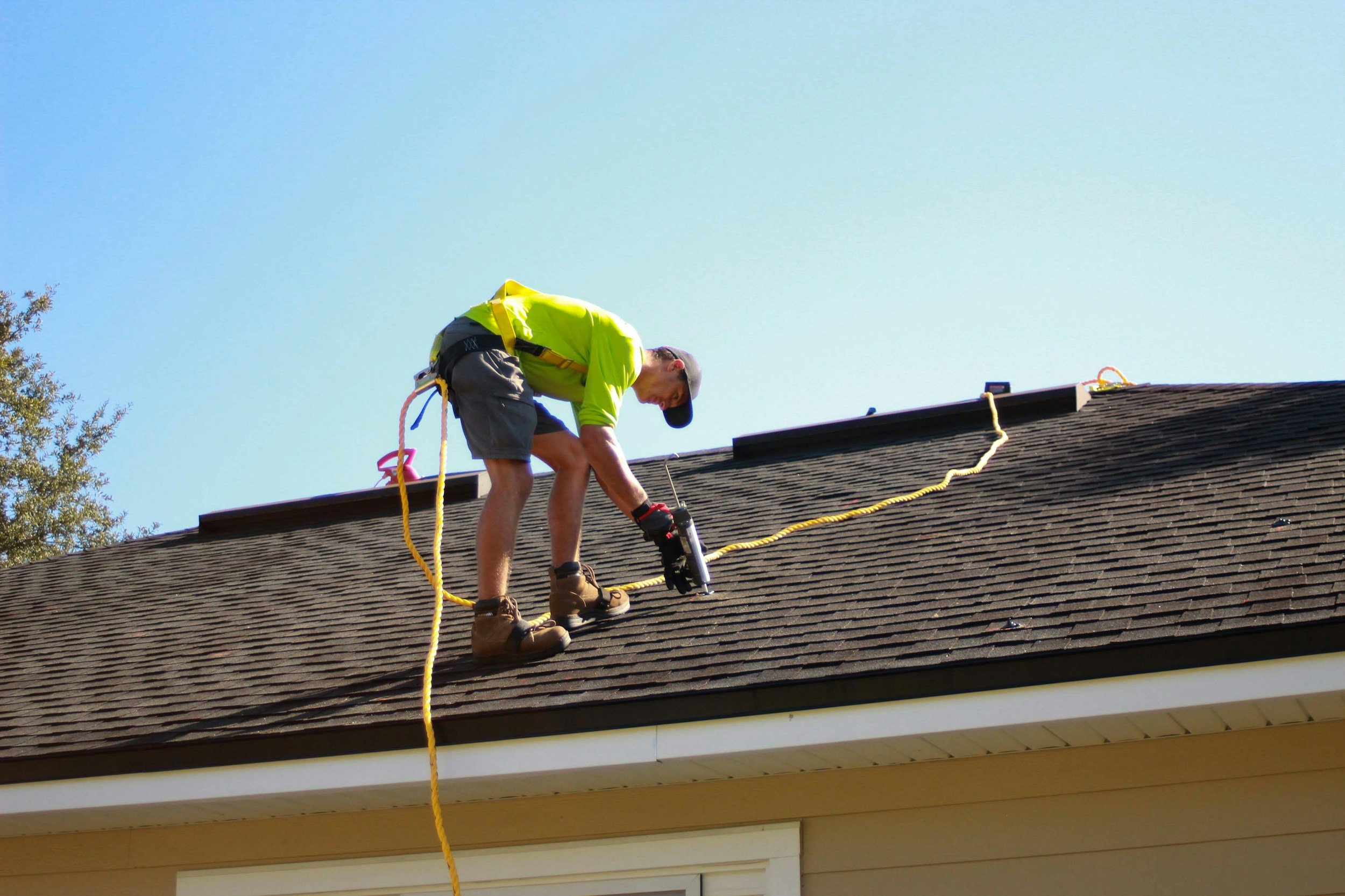
If you’re running a roofing company in Florida, you already know how to get the job done.
That’s not the problem.
The real difference between crews that stay profitable—and crews that constantly feel behind—comes down to something less obvious:
How efficiently your job sites run day-to-day.
Because in this market, it’s not just about how fast you can install a roof.
It’s about how smoothly everything around the job flows.
You Don’t Lose Time on the Roof—You Lose It Around It
Think about your last few jobs.
Where did time actually get lost?
Waiting for materials to be moved
Crews working around debris
Cleanup dragging longer than expected
Dump runs cutting into work hours
Jobs not “feeling done” because the site isn’t cleared
None of that has anything to do with your ability to roof.
But it affects your timeline, your crew efficiency, and your margins every single time.
The Hidden Cost of a Sloppy Job Site
A cluttered site doesn’t just look bad—it slows everything down.
When debris builds up, you start seeing:
Reduced crew movement and efficiency
Higher risk of accidents or damage
Longer cleanup times at the end of the job
Delays starting the next project
And the biggest one?
Your crew spends time managing the mess instead of doing the work.
💡 If you’ve ever had a job drag because cleanup got out of hand, you’ve already felt this →
https://trashhelp.com/blog/the-hidden-costs-of-debris
Why Roofing Jobs Are Especially Prone to Slowdowns
Roofing creates a unique type of debris flow:
Shingles and underlayment
Nails and fasteners
Wood and structural materials
Packaging and delivery waste
It builds up fast—and unevenly.
If you don’t have a clear system in place, it turns into:
Piles around the property
Constant repositioning of debris
Multiple small cleanup moments instead of one efficient process
That’s where jobs start to lose rhythm.
You Shouldn’t Be Making Dump Runs Mid-Project
This is one of the biggest inefficiencies in roofing operations.
If you or your crew are:
Loading trucks manually
Leaving the site to dump debris
Waiting on landfill lines
Coming back and resetting
You’re losing hours that should be spent finishing the job or starting the next one.
💡 Having a container on-site changes that completely—everything goes in one place, as you go →
https://trashhelp.com/dumpster-rental/
The Jobs That Stay Profitable Feel Different
You’ve probably noticed this already.
The jobs that go well usually have:
Clear staging areas
Minimal clutter
Smooth transitions between work phases
Fast cleanup at the end
That’s not accidental.
That’s operational control.
When your site stays clean and organized, your crew moves faster, your timelines tighten, and your stress level drops.
Florida Adds Another Layer: Weather & Timing
Roofing in Florida isn’t just about the job—it’s about working around conditions.
Especially as you move into summer:
Afternoon storms interrupt work
Heat slows crew pace
Materials become harder to manage
Cleanup gets delayed if not handled early
If debris is left sitting when weather hits, it turns into a bigger problem fast.
💡 This is where having a consistent cleanup system in place before the job starts makes a big difference.
You’re Also Being Judged on the Job Site—Not Just the Roof
Homeowners notice more than the finished product.
They notice:
How clean the property is during the job
How organized your crew looks
How quickly things get wrapped up
A messy site creates friction—even if your work is solid.
A clean, controlled site builds trust immediately.
A Simple Shift That Changes Everything
You don’t need to overhaul your entire operation.
You just need to tighten one part of your workflow:
How debris is handled from start to finish.
That means:
Having a designated place for everything from day one
Not letting piles build up around the property
Keeping cleanup aligned with the work—not after it
Eliminating unnecessary dump runs
It’s a small operational shift—but it has a big impact on:
Job speed
Crew efficiency
Customer perception
Overall profitability
You already know how to install a roof.
That’s not what separates you.
What separates you is how smoothly your jobs run while you’re doing it.
Because when your site is controlled, your crew is efficient, and your cleanup is handled as you go…
Everything else starts to fall into place.
If you want to tighten your operations this season:
👉 Stop letting debris build up
👉 Keep cleanup part of the workflow—not the final step
👉 Eliminate mid-job dump runs
👉 Make your job site easier for your crew to move in
That’s how you get faster jobs, cleaner finishes, and better margins—without working more hours.
