
Dumpster Brokers in June: Managing Demand, Storm Season Chaos & Keeping Vendors Aligned in Florida
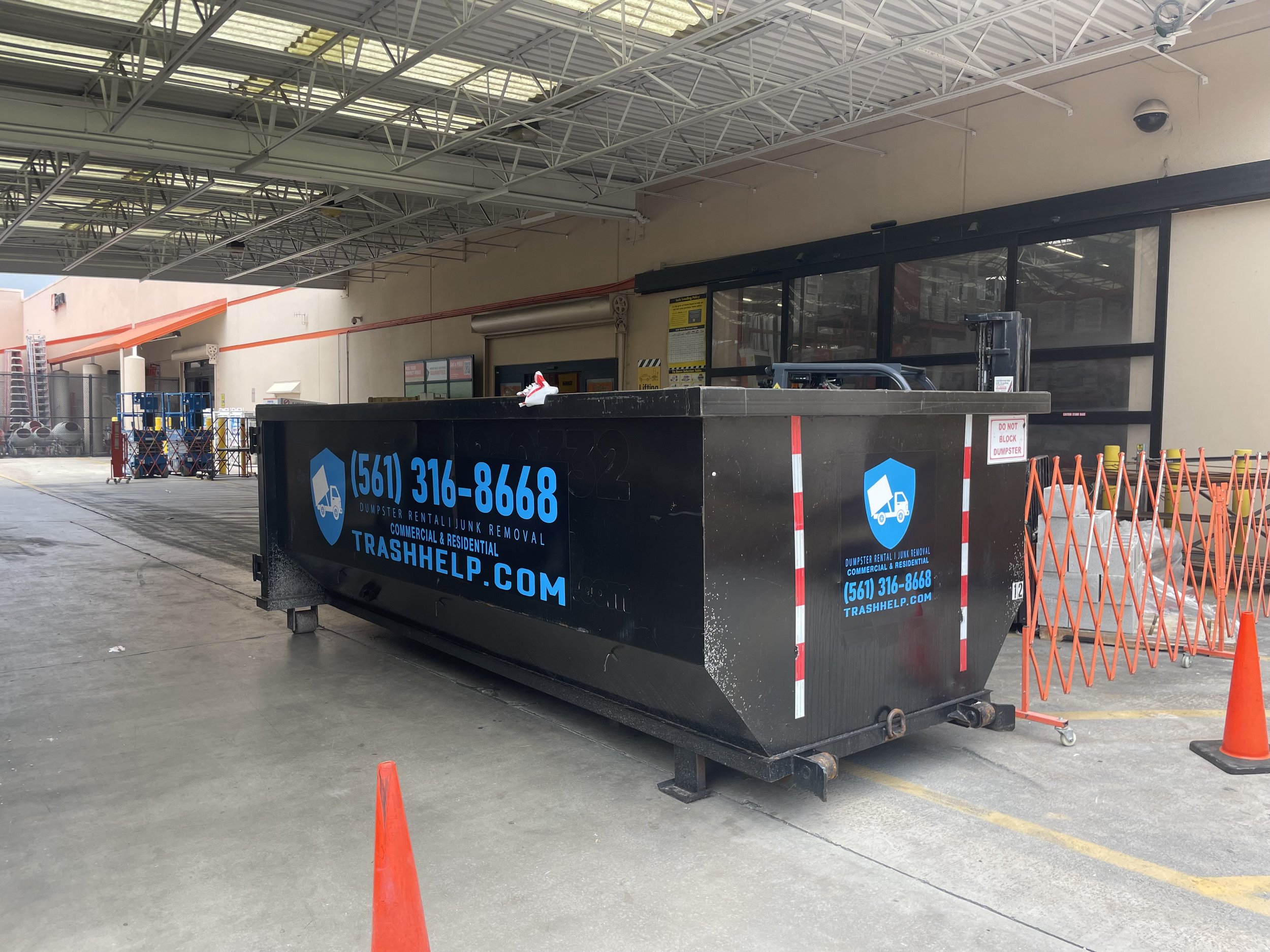
June is where dumpster brokerage gets real in Florida.
Demand spikes. Storm season starts influencing schedules. And suddenly, every delay from a hauler, driver, or site issue doesn’t stay small—it cascades.
For dumpster brokers, this isn’t just another month on the calendar. It’s the start of the most operationally sensitive stretch of the year.
Why June Is a Pressure Month for Dumpster Brokers
On paper, it looks like steady demand.
In reality, June brings overlapping challenges:
Hurricane season officially begins
Residential cleanouts increase before summer travel
Property managers rush turnovers
Contractors try to finish projects before weather disruptions
That combination creates one thing: compressed timelines with less flexibility.
And when capacity tightens, brokerage coordination becomes the difference between smooth fulfillment and constant firefighting.
The Real Job of a Dumpster Broker in June
It’s not just placing orders.
It’s managing three moving systems at once:
Customer expectations (fast, guaranteed placement)
Hauler availability (limited trucks, weather delays)
Site conditions (HOAs, access issues, storm disruptions)
And all of it has to stay aligned in real time.
Because when one part slips, the rest of the chain absorbs the delay.
Where Most Breakdowns Actually Happen
In busy season, issues rarely come from demand itself.
They come from friction points like:
Missed or delayed pickups
Poor communication from haulers
Containers placed late due to routing issues
Site access problems not flagged early
Weather disrupting scheduled drops or swaps
Each one seems small individually.
But in brokerage, they stack quickly—especially when managing multiple active orders across different markets.
💡 One missed debris pickup can stall an entire turnover or renovation timeline → https://trashhelp.com/blog/the-hidden-costs-of-debris
Storm Season Changes Everything About Scheduling
Once storms enter the forecast, reliability matters more than speed.
Because now you’re dealing with:
Sudden route changes
Emergency service prioritization
Weather-related cancellations
Delayed site access
Even a one-day shift can ripple across multiple clients.
And brokers are the ones expected to absorb that impact and still keep customers updated in real time.
The Hidden Bottleneck: Cleanup Flow & Container Turnover
One of the most overlooked pressure points in brokerage is container turnaround speed.
When dumpsters stay tied up longer than expected, it creates:
Fewer available assets
Slower fulfillment for new orders
Scheduling conflicts for active jobs
Common causes include:
Construction debris overload
Improper loading (restricted materials mixed in)
HOA or site restrictions delaying pickup
Weather preventing safe access
💡 Understanding what slows down debris flow helps prevent delays before they start → https://trashhelp.com/blog/what-can-amp-cant-go-in-a-dumpster-in-palm-beach-county-and-how-trashhelp-makes-it-easy
Why Vendor Reliability Becomes Critical in June
In slower months, brokers can absorb inconsistencies.
In June, they can’t.
A “small delay” becomes:
A missed turnover window
A frustrated contractor
A rescheduled inspection
A lost repeat customer
What matters most now isn’t just availability—it’s consistency.
Reliable haulers and vendors reduce:
Follow-up calls
Re-scheduling loops
Customer escalations
Operational guesswork
And that directly impacts broker scalability during peak season.
HOA & Access Issues: A Major Hidden Variable
Florida brokerage work often intersects with HOA communities, especially in Palm Beach County.
That introduces constraints like:
Approval requirements before placement
Limited delivery windows
Restrictions on driveway or street placement
Visibility rules for containers
If not flagged early, these can delay delivery or pickup unexpectedly.
💡 HOA coordination is one of the most common preventable delay sources in residential dumpster placement → https://trashhelp.com/blog/neighborhood-and-hoa-community-cleanup
How Successful Brokers Operate During June
The most efficient brokers aren’t reacting constantly—they’re structuring ahead.
Key behaviors include:
1. Pre-qualifying site conditions early
Knowing access issues before dispatch.
2. Prioritizing communication speed over complexity
Fast updates prevent cascading delays.
3. Building buffer expectations into timelines
Assuming weather interruptions are part of the process.
4. Keeping cleanup and removal aligned with delivery cycles
Avoiding containers sitting idle too long.
5. Working with vendors who don’t require constant follow-up
Reducing operational friction during peak demand.
💡 The less time spent chasing updates, the more capacity brokers have to scale volume.
Why June Sets the Tone for the Entire Summer
What happens in June doesn’t stay in June.
It affects:
July and August capacity planning
Contractor relationships
Customer retention
Vendor reliability perception
If operations stay stable in June, the rest of summer becomes manageable.
If they don’t, everything downstream becomes reactive.
Dumpster brokerage in June isn’t about handling more requests.
It’s about controlling chaos that naturally increases during storm season.
Because in this industry, success isn’t just about placing containers.
It’s about making sure every piece—vendors, timing, cleanup, and communication—moves together without friction.
And when that alignment holds, even peak season stays manageable.
If you’re operating as a dumpster broker this June:
👉 Expect weather-related disruption
👉 Tighten vendor coordination
👉 Prioritize reliable haulers over availability alone
👉 Reduce friction in cleanup and pickup cycles
👉 Communicate proactively before problems escalate
That’s what keeps operations stable when demand and storm season hit at the same time.
